

In the world of technology, a receiver plays a vital role in many devices we use every day, from TVs and home theaters to radios and smartphones. But what exactly is the main function of a receiver, and why is it so important in modern technology?
In this blog post, we’ll break down what a receiver does, how it works, and why it’s a crucial component in making many of our gadgets function properly. Let’s dive in! 🚀
What is a Receiver?
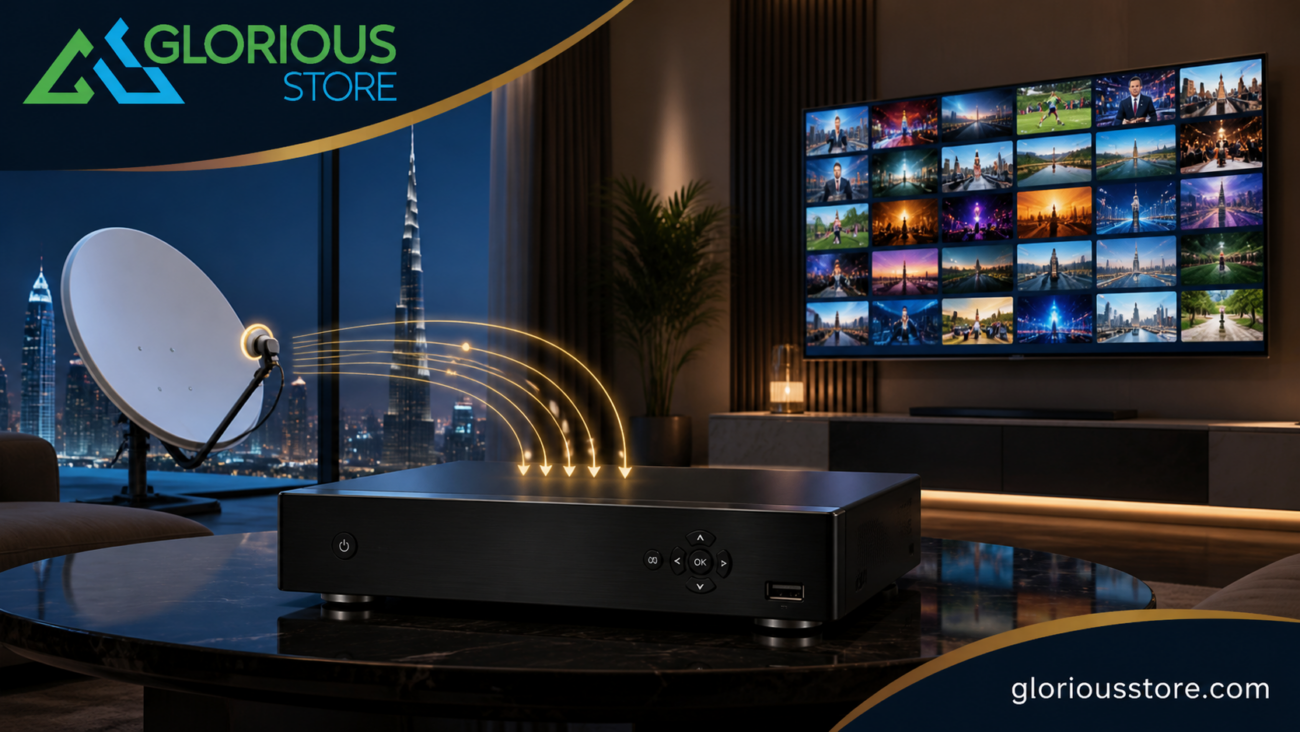
At its core, a receiver is a device that receives signals and processes them so they can be used by other electronic equipment. These signals could be coming from various sources, such as radio waves, satellite transmissions, Wi-Fi signals, or even Bluetooth devices. Once received, the receiver’s job is to convert these signals into a usable form, like audio or video, and deliver them to the appropriate output device, such as a TV, speakers, or display screen.
The role of a receiver might differ depending on its specific use, but the main principle is the same: signal reception and conversion. 📡🔄
Main Functions of a Receiver
- Signal Reception 📡
The first step for any receiver is capturing the incoming signals. These signals can come from various sources:- Radio signals for your radio receiver 📻
- Satellite signals for your TV receiver 🛰️
- Streaming signals for your Wi-Fi-connected devices 📱
- Signal Conversion 🔄
After receiving the signal, the receiver’s next task is to convert it into a usable format. For example, if you’re watching TV, a satellite receiver will convert the satellite signals into a digital form that your TV can display as images and sound. Similarly, an audio receiver will convert digital audio signals into analog signals that speakers can output as sound. 🎶 - Signal Amplification 🔊 (in some cases)
Some receivers, particularly those in audio systems, also have the function of amplifying the signal. In this case, the receiver not only converts the signal but also boosts its strength so that it can be heard clearly through speakers. This is a common feature in home theater systems and sound systems. 🧑🎤 - Signal Distribution 🔄
In more complex systems, like a home theater setup, a receiver can distribute signals to multiple devices. For example, a surround sound receiver will send the audio signal to different speakers placed around the room, creating an immersive audio experience. Similarly, in a multi-room audio system, a receiver may send signals to multiple rooms so you can enjoy music throughout your home. 🎧🏠

Types of Receivers and Their Functions
Receivers are used in a variety of applications. Here are some common types and their functions:
- TV Receivers (Satellite & Cable)
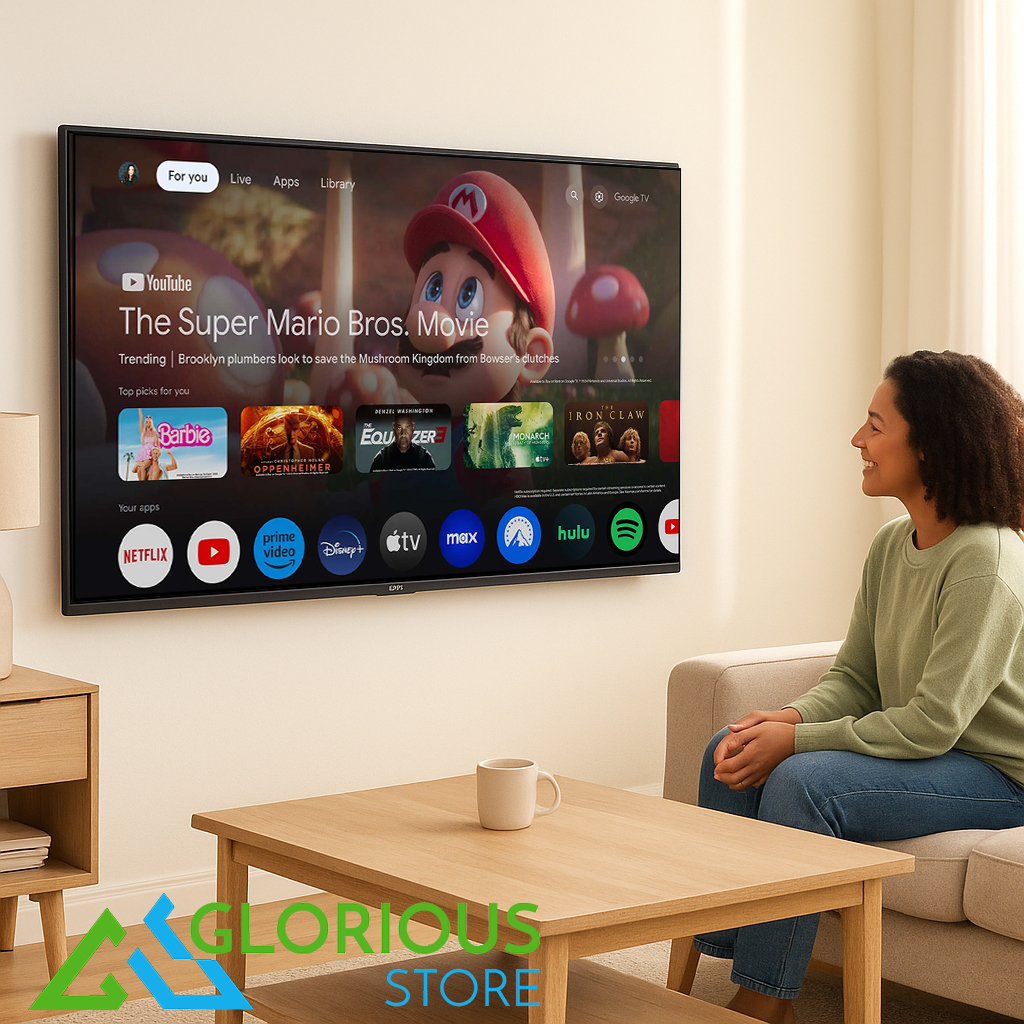
These receivers capture satellite or cable signals and convert them into audio and video that your TV can display. With the rise of streaming, some modern Smart TVs integrate receivers for Wi-Fi signals, eliminating the need for external set-top boxes. - Audio Receivers
In audio systems, AV receivers (audio-visual receivers) are responsible for receiving and processing sound signals from multiple sources (like DVD players, gaming consoles, or streaming devices) and delivering high-quality sound through connected speakers. 🎶 - Radio Receivers
Radio receivers receive AM/FM or digital radio signals and convert them into audible sound. These are commonly found in car radios or portable devices like radios and alarm clocks. - Bluetooth Receivers
Bluetooth receivers allow wireless devices (like your smartphone or laptop) to send signals to speakers, headphones, or other Bluetooth-enabled gadgets, converting them into sound or data transfer.
Why Are Receivers Important in Modern Technology?
Receivers play an integral role in many of the devices we use daily. Without them, we wouldn’t be able to receive signals from satellites, stream our favorite movies and music, or enjoy high-quality sound in home theater setups. Here’s why receivers are so important:
- Seamless Connectivity: Receivers enable devices to connect and communicate with each other, whether it’s streaming services, satellite TV, or audio systems. They provide a bridge between your entertainment sources and output devices.
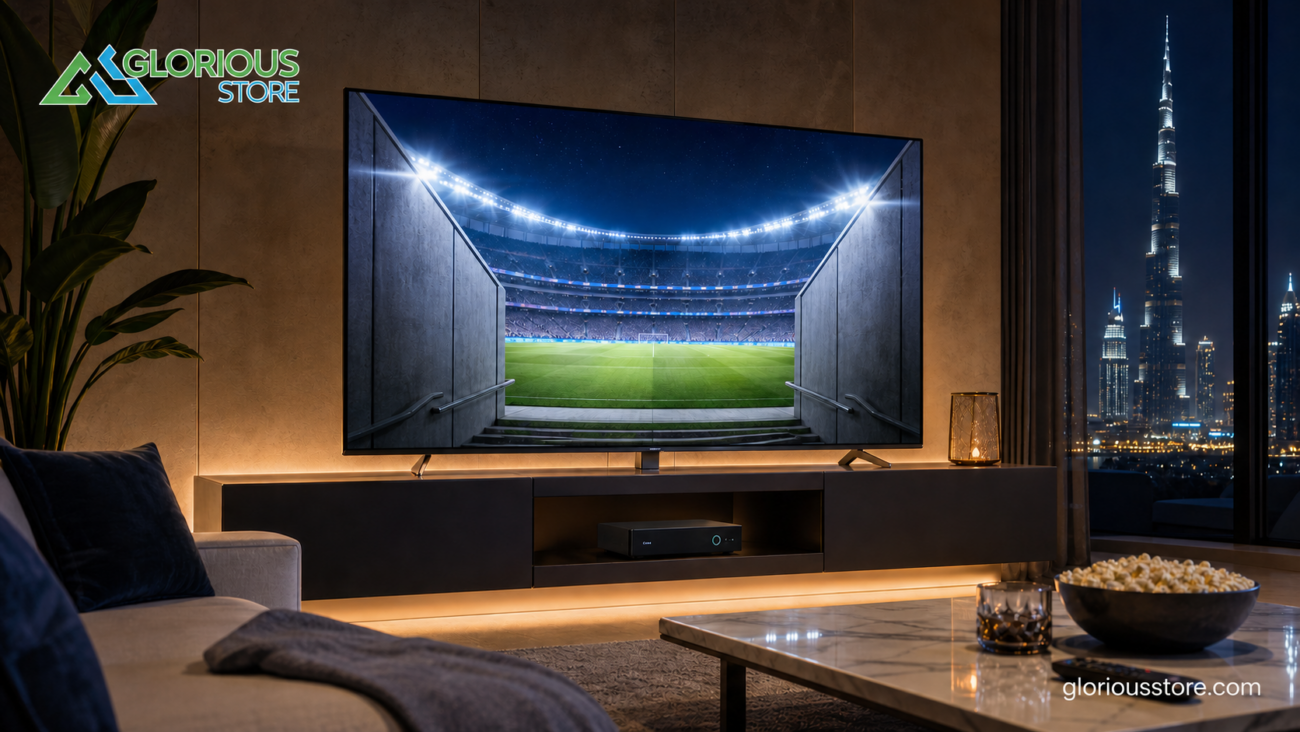
- Enhanced Experience: By amplifying, converting, and distributing signals properly, receivers enhance the quality of what we experience—whether it’s clearer TV images, surround sound in movies, or better reception on radios. 🎬🎶
- Future-Proofing Tech: As new technologies emerge (like 4K streaming or Bluetooth 5.0), receivers are constantly evolving to handle more complex signals, ensuring we can enjoy cutting-edge entertainment experiences. 🔥
Conclusion
In short, the main function of a receiver is to receive and process signals so that your devices can function properly. Whether it’s bringing live TV into your living room, sending music to your speakers, or enabling a seamless wireless connection between devices, receivers make it all possible. 📡🔌
At GloriousStore, we offer a range of products featuring advanced receiver technology, from smart TVs and audio systems to streaming devices that provide top-notch performance. Check out our selection to upgrade your home entertainment setup and experience superior quality and connectivity! 🌟📺





Leave a comment